
Home
Services
Products
Projects
Who We Are
Blogs
Contact Us
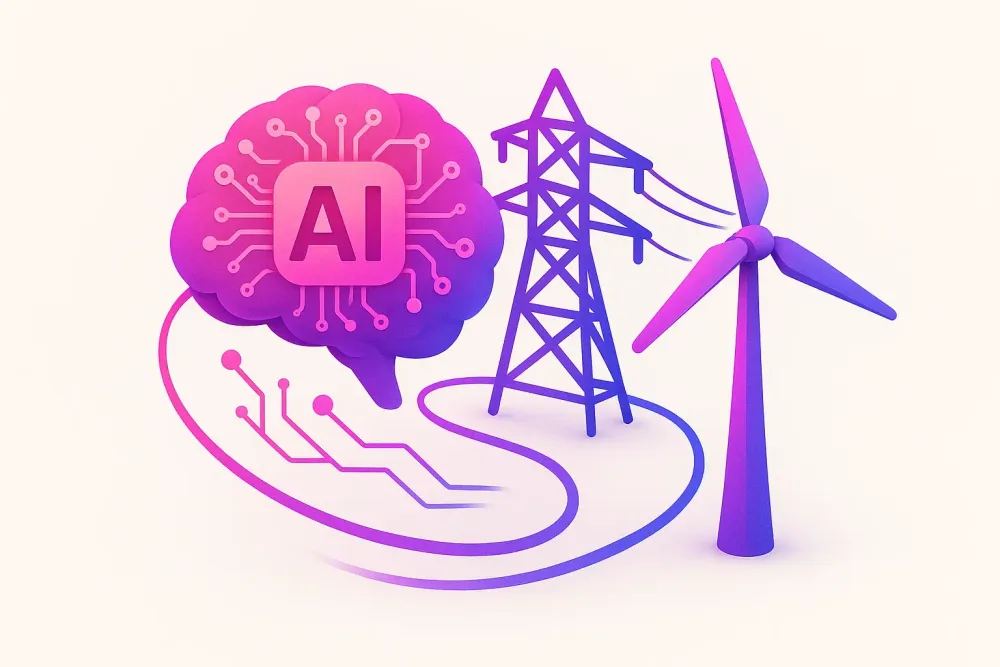
Revolutionizing Energy: How AI is Transforming the Power Sector
Artificial intelligence (AI) is rapidly reshaping the energy industry, revolutionizing how power is generated, distributed, and consumed. The global AI energy market is projected to surge from USD 3.7 billion in 2023 to approximately USD 51.4 billion by 2033, exhibiting a remarkable compound annual growth rate (CAGR) of 30.1% between 2024 and 2033. This explosive growth underscores the transformative potential of AI in addressing the sector's evolving challenges and opportunities.
Consider a power producer generating 30 MW of electricity while market demand fluctuates significantly. Without AI-driven predictive analytics, such discrepancies lead to substantial losses. AI, however, enables precise forecasting of energy demand, optimizing production and minimizing waste.
AI is pivotal in steering the energy sector towards a more secure, sustainable, and efficient future. Its applications span diverse areas, from intelligent grid management and renewable energy forecasting to enhancing the safety of nuclear power plants. This exploration delves into the top ten applications of AI within the energy industry, covering smart grids, energy storage, renewable energy integration, and more.
The Role of AI in the Energy Sector
The current energy landscape is replete with AI applications. Power companies leverage AI to identify potential equipment failures before they occur, mitigating risks and ensuring operational stability. As electricity demands increase, so does the need for efficient supply management, coordination, and forecasting—capabilities AI excels at providing.
The global push towards a low-carbon energy transition is gaining momentum. Renewable energy capacity additions currently outpace those of nuclear and fossil fuels combined. This transition necessitates efficient energy storage and sophisticated networked systems for renewables. Furthermore, AI-powered smart consumption technologies are transforming how individuals utilize and conserve energy.
AI's impact extends beyond energy production and supply systems; it is fundamentally altering business operations. The integration of AI with Enterprise Resource Planning (ERP) and Customer Relationship Management (CRM) systems optimizes the management of energy companies, improving efficiency and customer service.
Top 10 Applications of AI in the Energy Sector
AI's applications in the energy sector are extensive, encompassing nuclear power plant safety, renewable energy forecasting, and intelligent infrastructure management. Here are ten key applications:
1. AI in Energy Production
AI maximizes energy production by analyzing large datasets and accurately predicting energy demand. It helps regulate production rates, reduces waste, and ensures a consistent energy supply, regardless of the source (renewable or fossil fuel).
2. AI in Renewable Energy
AI enhances the efficiency and reliability of renewable energy sources like solar and wind power. AI systems predict weather patterns and adjust solar and wind turbine operations accordingly, maximizing energy output.
3. AI in Energy Storage
AI optimizes energy storage by anticipating usage trends and streamlining the charging and discharging of storage devices. This leads to more efficient use of stored energy, particularly crucial for balancing supply and demand during peak hours.
4. AI in Energy Efficiency
AI identifies and optimizes energy consumption patterns across various processes and systems, reducing waste and improving overall efficiency. This often involves analyzing operational data to pinpoint areas for improvement.
5. AI in Energy Trading
AI is revolutionizing energy trading by forecasting price fluctuations and providing real-time market analysis. This enables traders to make more informed decisions, leading to improved pricing strategies and profitability.
6. AI in Energy and Utilities
AI streamlines utility management by automating tasks such as fault detection, grid management, and maintenance scheduling. This results in a more reliable and efficient utility service.
7. Predictive Maintenance
AI algorithms predict equipment failures before they occur. By analyzing sensor data from energy infrastructure, AI anticipates potential problems and schedules maintenance, minimizing repair costs and downtime.
8. Smart Grid Management
AI is essential for smart grid management, optimizing energy distribution and detecting network anomalies. This leads to a more resilient and efficient energy grid.
9. AI in Carbon Emission Reduction
AI contributes to carbon emission reduction by enhancing energy efficiency and streamlining industrial operations. This is crucial for businesses aiming to achieve sustainability goals.
10. AI-Driven Demand Response
AI enables dynamic demand response by predicting energy demand and automatically adjusting supply to meet it. This reduces energy costs and eases system load during peak periods.
Benefits of Using AI in the Energy Industry
AI is fundamentally transforming the energy sector, driving it towards a safer, more sustainable, and efficient future. The benefits include:
Increased Efficiency
AI-powered solutions enhance the efficiency of energy production, delivery, and consumption. AI optimizes each stage of the energy supply chain through data analysis and real-time insights.
Failure Prevention
AI's predictive capabilities ensure quality and enable early detection of potential energy infrastructure failures. This guarantees a consistent energy supply and prevents costly outages.
Data Digitization
The energy sector generates vast amounts of data. AI facilitates the digitization and analysis of this data, leading to better decision-making and improved operational efficiency.
Cost Reduction
AI implementation in energy operations results in significant cost savings. AI reduces operating costs and improves profitability through process optimization and waste reduction.
Enhanced Sustainability
AI promotes sustainability by lowering carbon emissions, increasing energy efficiency, and maximizing the utilization of renewable energy sources. This is critical in the global fight against climate change.
Challenges of Implementing AI in the Energy Sector
Despite its transformative potential, integrating AI into the energy sector presents several challenges:
High Initial Costs
Implementing AI in energy systems requires a substantial financial investment. Training large models and building AI infrastructure can be computationally intensive and energy-consuming.
Data Privacy and Security Concerns
AI systems require vast amounts of data, often including sensitive customer information, usage patterns, and grid operations. Protecting the security and privacy of this data is paramount.
Need for Specialized Skills
The energy industry needs a workforce with expertise in machine learning, data science, and AI. A shortage of skilled professionals currently hinders the development, implementation, and management of AI systems.
Integration with Existing Systems
Many energy companies operate legacy systems incompatible with modern AI technologies. Integrating AI seamlessly with these older systems can be challenging.
Data Quality and Availability
Effective AI systems require complete, high-quality data. Energy sector data may be fragmented, stored in incompatible formats, or spread across multiple platforms.
The Future of AI in the Energy Sector
AI is instrumental in optimizing the energy sector's potential, assessing the current environment, and guiding necessary actions. Utilities are adapting to increasing global demand by embracing AI technologies.
Future developments will likely involve integrating AI with blockchain technology, renewable energy sources, and smart grids to optimize energy consumption and enhance user experience. AI's potential to reduce costs, improve transparency, and implement sustainable practices in the energy sector is significant.
Given that 50% of oil and gas companies plan to increase their investment in AI and machine learning, choosing a service provider with extensive experience is critical. Some energy infrastructure projects may require specialized expertise due to their age or reliance on specific technologies.
How DEFX Can Help
DEFX specializes in providing cutting-edge AI solutions tailored to the energy sector. Our team of 200+ data science, artificial intelligence, and machine learning specialists possesses the expertise to deliver comprehensive and effective solutions. Our extensive experience with enterprise-level projects for Fortune 500 companies ensures we understand the unique challenges and requirements of this industry.
DEFX adheres to international standards and regulations, including ISO 27001:2013, ISO 9001:2015, PCI DSS, and GDPR. We offer ongoing training and support to ensure our consultants remain at the forefront of technological advancements.
Conclusion
AI is revolutionizing the energy industry, streamlining operations, boosting productivity, and promoting sustainability. AI applications are improving various aspects of the energy sector, including demand forecasting, smart grid management, predictive maintenance, and renewable energy integration, leading to reduced operating costs and minimized downtime.
AI-powered systems are accelerating the shift to cleaner energy sources and enabling more precise energy usage predictions. As the energy sector evolves, the adoption of AI will become increasingly critical for driving innovation, reducing carbon emissions, and securing a more sustainable energy future.
See More
Contact Us
Let’s make your Idea into Reality
Let's Talk

© Copyright DEFX. All Rights Reserved
GoodFirms ★ 4.2
Clutch ★ 4.2
Google ★ 4.2